Healthcare System Integrators in Dubai UAE Medical
- sisgaintushar
- Jan 19
- 8 min read
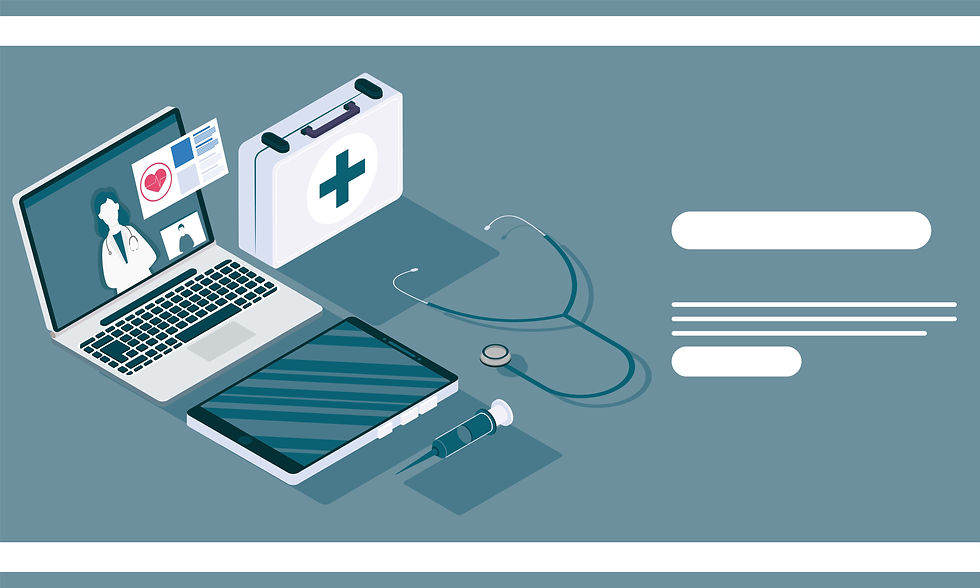
In the rapidly evolving world of healthcare, Dubai stands out as a city not only of architectural marvels and global business hubs but also as a leader in healthcare digital transformation. Over the past decade, the emirate has invested heavily in systems and standards that ensure patients receive safe, seamless, and coordinated care across hospitals, clinics, and medical service providers. Central to this transformation are the healthcare system integrators in dubai UAE medical landscape—expert teams and solutions that knit together fragmented systems with modern technologies and standards.
Understanding this transformation is essential for healthcare administrators, IT leaders, and decision‑makers who want to improve patient experience, reduce operational inefficiencies, and comply with regulatory frameworks. Right at the outset of this journey is the integration of hl7 fhir interface software development services, which play a critical role in connecting disparate systems and enabling real‑time data sharing across the healthcare ecosystem.
In this comprehensive blog post, we explore what healthcare system integration looks like in Dubai, why it matters, the key technologies enabling it, and how organisations can choose the right integrator partner to succeed in today’s competitive environment.
The Rise of Integrated Healthcare in the UAE
Healthcare has always been an essential public service, but over the last few years, it has also become a technology‑driven ecosystem where patient safety, data exchange, and system scalability define success. Dubai’s healthcare strategy aligns with its broader Smart Dubai vision, which aims to leverage digital infrastructure and innovation to improve lives and services. One cornerstone of this strategy is the implementation of unified digital health records where every patient interaction—from a routine check‑up to a complex surgery—is captured, shared, and used to improve outcomes across the continuum of care.
Today, Dubai’s digital healthcare backbone includes unified platforms mandated by regulatory authorities, requiring healthcare providers to integrate their internal systems with these central services. One of the most significant initiatives is NABIDH (National Unified Medical Record), a city‑wide health information exchange platform mandated by the Dubai Health Authority to connect all licensed medical facilities and enable secure patient data exchange among hospitals, clinics, labs, and pharmacies. NABIDH relies on international standards such as HL7 and FHIR to structure its data exchange and interoperability requirements.
The push for digital transformation is not just administrative. By enabling clinicians to access the complete health history of patients in real time, digital integration reduces medical errors, eliminates duplicate tests, and empowers more informed clinical decisions. For example, as of 2024, NABIDH has successfully integrated dozens of major hospitals and healthcare facilities in Dubai, connecting millions of unified medical records and providing clinicians with a comprehensive view of patient health histories across systems.
What Are Healthcare System Integrators and Why They Matter
Healthcare system integrators are organisations or specialised teams that connect various clinical, administrative, and support systems so they work together as a unified whole. These include electronic medical records (EMRs), laboratory information systems (LIS), imaging systems (PACS), pharmacy management, billing platforms, and patient portals. Integration brings these components online so that they communicate without barriers, giving care providers immediate access to essential data.
In Dubai’s medical ecosystem, integrators also ensure compliance with local health authority requirements, such as NABIDH standards, security protocols, and data privacy policies. This dual role—as both technical implementer and regulatory interpreter—makes healthcare system integrators in Dubai invaluable to modern medical institutions.
Here’s why they matter:
Clinicians and administrators operate in environments rich with data but often fragmented across systems. Without integration, medical records may be siloed, information may not flow smoothly between services, and care coordination becomes cumbersome. System integrators bridge these gaps, enabling seamless sharing of health records and improving productivity and outcomes.
Integrated systems also streamline internal workflows. Take, for instance, a patient being admitted for surgery. Instead of manual data entry, integrated systems automatically pull lab results, historical diagnoses, medication records, and imaging reports into the clinician’s view. The result is faster decision‑making and less administrative overhead.
Core Technology Standards Powering Health Integration
Integral to integrating healthcare systems—and an essential requirement for any competent integrator in Dubai—are technology standards. These standards ensure systems speak the same language so data from different sources can be understood, exchanged, and used effectively.
Understanding HL7 and FHIR
Among these standards, Health Level Seven (HL7) and its modern successor Fast Healthcare Interoperability Resources (FHIR) are foundational. HL7 has been used for decades as a core messaging protocol in clinical environments, enabling the exchange of health data between systems. FHIR, developed more recently, builds on this foundation to support web‑based APIs, modern data formats, and mobile‑friendly communication methods.
Together, HL7 and FHIR enable different medical apps, EMRs, diagnostic tools, and hospital systems to send, receive, and interpret data consistently.
In Dubai, integrating these standards isn’t just best practice—it’s central to compliance with the regulatory frameworks imposed by health authorities like the Dubai Health Authority. For integrators in the UAE medical space, offering robust HL7 FHIR interface software development services has become a core capability. This ensures that internal systems can communicate with central hubs like NABIDH and broader national integration platforms such as Riayati, the federal health information exchange that aims for a nationwide unified health record.
How Standards Enable Better Patient Care
The benefits of standards‑led integration are concrete. When systems use agreed‑upon formats and protocols:
Providers can access complete patient histories across facilities.
Diagnostic results flow automatically into patient records.
Emergency clinicians can view critical alerts without delays.
Clinical decision support systems can work with up‑to‑date, accurate data.
By relying on standards such as FHIR, healthcare providers reduce errors, improve care continuity, and save valuable time that would otherwise be consumed by manual data reconciliation.
The Landscape of Integration Services in Dubai
Healthcare system integrators in Dubai offer a variety of services, blending technical innovation with healthcare domain expertise. They do not simply install software; they design, implement, test, and support end‑to‑end solutions that are compliant, secure, and tuned to clinical workflows.
Typical Services Offered by Integrators
Success in healthcare integration doesn’t come from a single tool or platform—it stems from a comprehensive suite of capabilities that span multiple layers of a healthcare organisation’s technology stack:
Consultation and Strategy: Analysis of current systems, needs, and goals.
System Architecture and Design: Mapping workflows and defining integration pathways.
API and Middleware Development: Creating APIs and middleware layers that connect systems.
Data Migration and Normalisation: Converting existing data into standard formats.
Security and Compliance Implementation: Ensuring systems meet regulatory and privacy requirements.
Testing and Quality Assurance: Rigorous validation of all integration points.
Support and Maintenance: Ongoing support to accommodate updates, new regulations, and evolving clinical practices.
Leading integrators also incorporate real‑time data processing, cloud deployment strategies, and analytics capabilities into their offerings, transforming static data into usable insights that support decision‑making across departments.
Also Read - Top Benefits of HL7 Software for UAE Hospitals
How Dubai’s Regulatory Framework Shapes Integration
Dubai’s healthcare regulatory ecosystem mandates high standards for data exchange and security. A prime example of this is the NABIDH platform, a centralized health information exchange that every licensed healthcare provider in the emirate must connect to in order to share and retrieve patient data securely.
To connect with NABIDH, organisations must integrate systems using international standards like HL7 and FHIR. This includes not only patient demographics and encounter information but also lab results, clinical summaries, medications, and referral data. These requirements have become a major driver of system integration initiatives across Dubai’s healthcare providers.
Beyond NABIDH, nationwide initiatives like Riayati aim to unify health records across the UAE’s seven emirates, pushing integration services to support interoperable systems at an even broader scale. Healthcare system integrators must therefore navigate both local compliance (Dubai‑specific) and federal interoperability aspirations to deliver robust solutions.
Choosing the Right Healthcare System Integrator
Selecting a partner for system integration is not a decision to take lightly. Given the complexity of healthcare environments and the critical nature of patient data, organisations need to partner with firms that combine technical excellence, domain knowledge, and local regulatory experience.
Several criteria should guide this choice:
Demonstrated experience with healthcare systems and workflows
Proven track record in EMR/HIS integration, API development, and standards compliance
Deep understanding of local regulations, including NABIDH and national interoperability frameworks
A strong portfolio of successful integration projects in hospitals and clinics
Ability to provide ongoing support and future‑ready planning, not just one‑off delivery
For instance, some Dubai hospitals—like Al Zahra Hospital Dubai—have chosen advanced integration platforms such as InterSystems TrakCare for unified health information and seamless interoperability across their clinical and administrative functions. This illustrates how the right technology partner can serve as a digital backbone, improving clinician access to patient records, streamlining workflows, and future‑proofing operations.
Partnering with the right integrator means access to scalable systems designed for growth, so as technologies evolve—such as AI‑assisted diagnostics or mobile patient engagement tools—your infrastructure is ready to absorb new innovations without disruption.
Major Benefits of System Integration for Healthcare Providers
The movement toward integrated systems delivers tangible outcomes for both providers and patients. These benefits extend beyond mere convenience; they redefine how care is delivered and coordinated.
Enhanced Clinical Decision‑Making
When clinicians have complete, accurate, and real‑time data at their fingertips, they make better decisions. For example, Integrated systems reduce fragmented records, enabling providers to understand patient history instantly—even in emergencies.
Improved Patient Experience
Patients benefit from shorter wait times, fewer duplicate tests, and a system where their data flows seamlessly across departments and facilities. This translates into faster service, more personalised care, and less frustration for patients navigating complex health journeys.
Operational Efficiency
Integrated workflows reduce manual data entry, minimize administrative overhead, and allow staff to focus more on value‑added activities like patient outreach and quality improvement initiatives.
Regulatory Compliance and Reporting
With ever‑increasing demands from health authorities, integrated systems make it easier to automate reporting, maintain audit trails, and adhere to data protection standards—ultimately safeguarding both providers and patients.
The Future of Healthcare Integration in Dubai
Healthcare integration in Dubai is far from static. As digital health continues to evolve, integrators and healthcare providers are pushing boundaries in several key areas:
AI‑assisted clinical support that uses integrated data for predictive analytics
Mobile and patient‑centric applications that access central data repositories
Advanced telemedicine ecosystems that seamlessly integrate remote care with hospital systems
Cross‑emirate health record sharing, fulfilling the vision of nationwide interoperability
In this environment, hl7 integration services remain central to expanding connectivity and enabling real‑time data exchange. These services will underpin future innovations such as remote monitoring, population health analytics, and personalised care pathways, driving healthcare delivery forward in UAE medical environments.
Final Thoughts: The Role of HL7 and Software in Sustainable Healthcare Integration
Healthcare’s digital transformation is no longer optional—it’s foundational to quality care in the UAE. That’s why at the bottom of any integration initiative lies the technology and frameworks that bring systems together, including hl7 software that powers data exchange at scale. Building this kind of software requires expertise not just in code, but in understanding how clinicians work, how data must be secured, and how regulations shape every decision.
System integrators in Dubai are the architects of this connected future. Their work ensures that hospitals, clinics, and diagnostic centers operate not as isolated entities, but as coherent, data‑driven care ecosystems capable of delivering high‑quality medical services to residents and visitors alike.
From modernising legacy systems to designing future‑ready digital health platforms, the right integration strategy—built on global standards like HL7 and FHIR and aligned with local regulatory frameworks—is what empowers healthcare organisations to thrive in the digital age and deliver better patient outcomes than ever before.



Comments